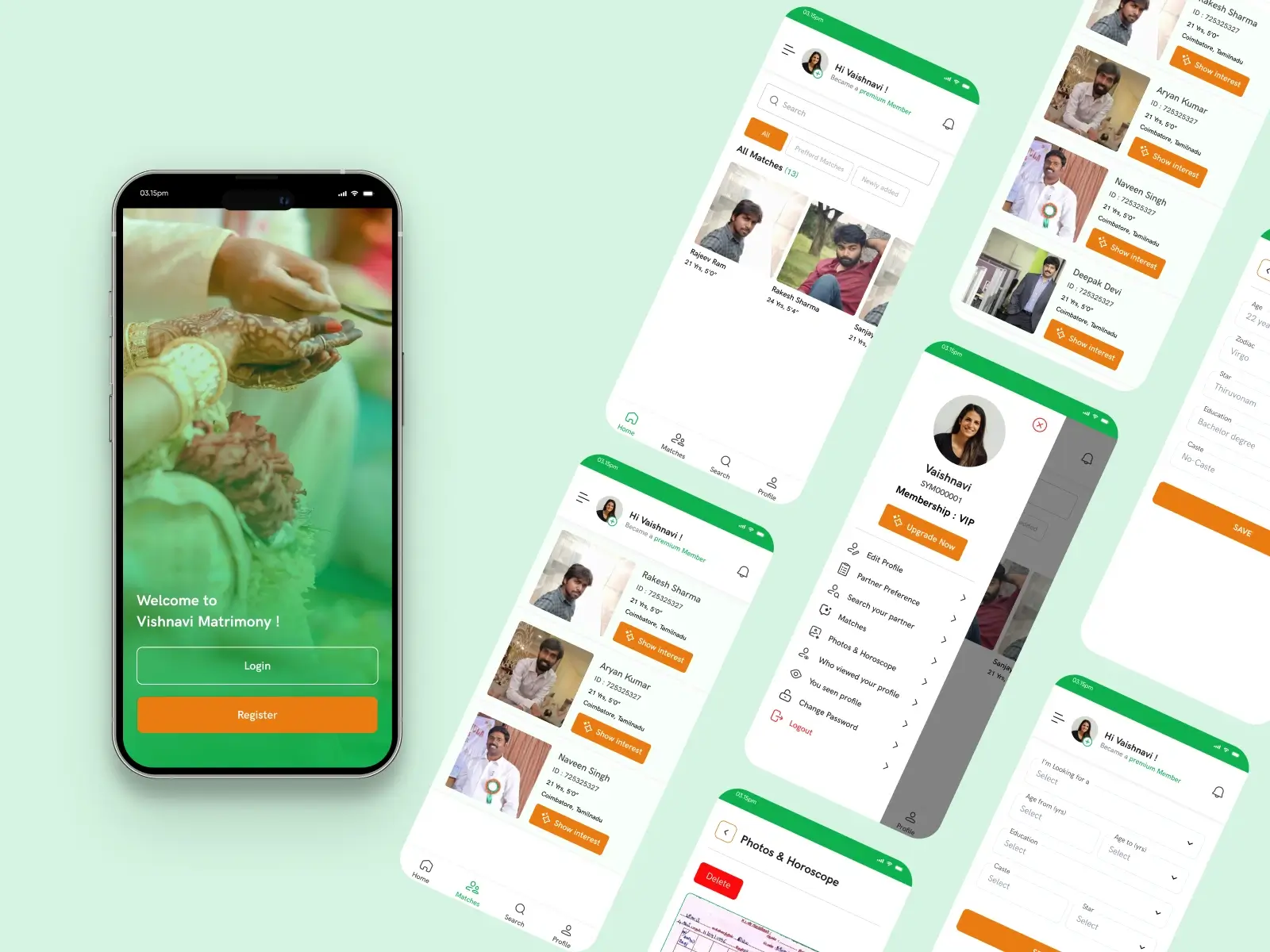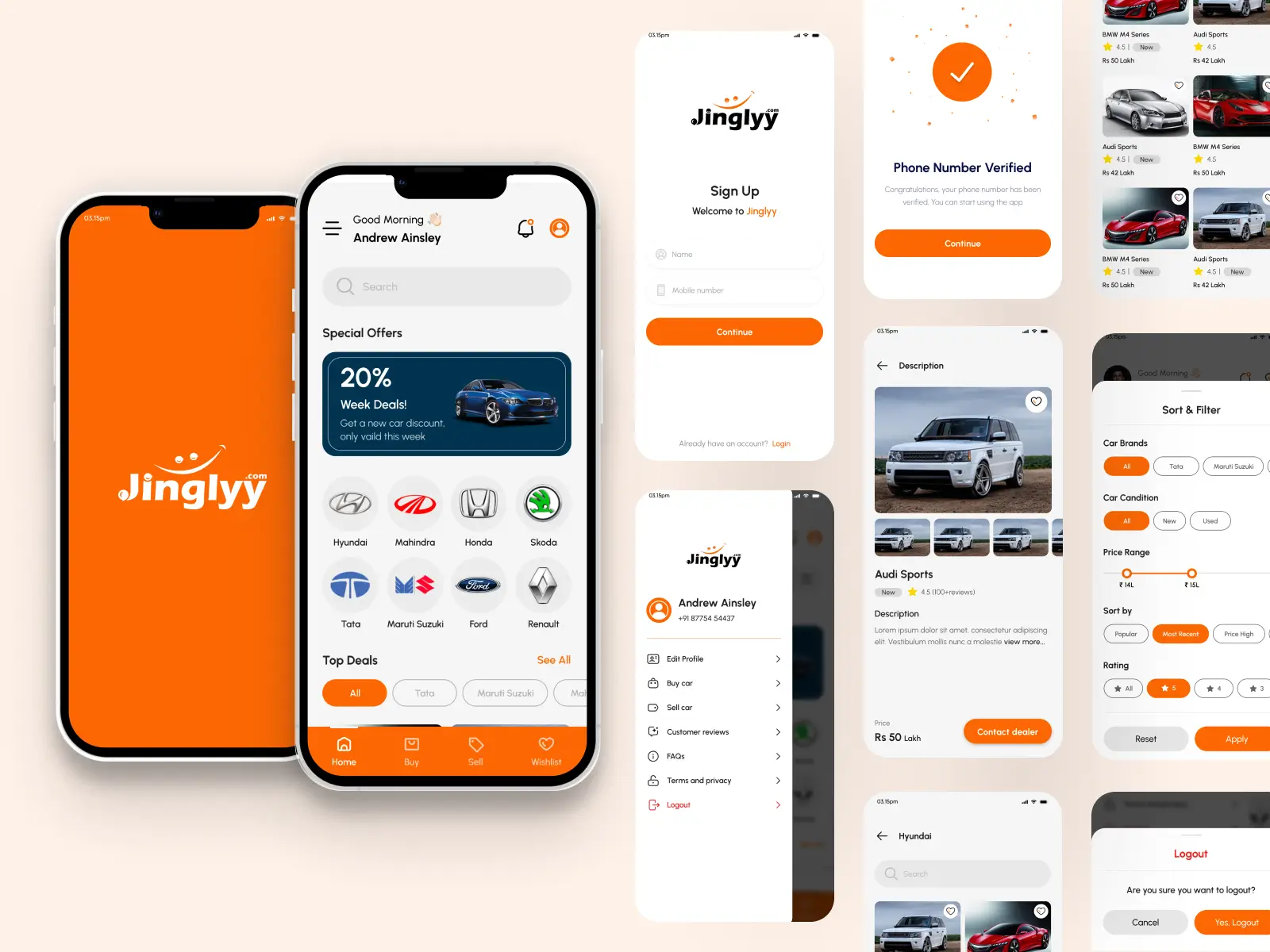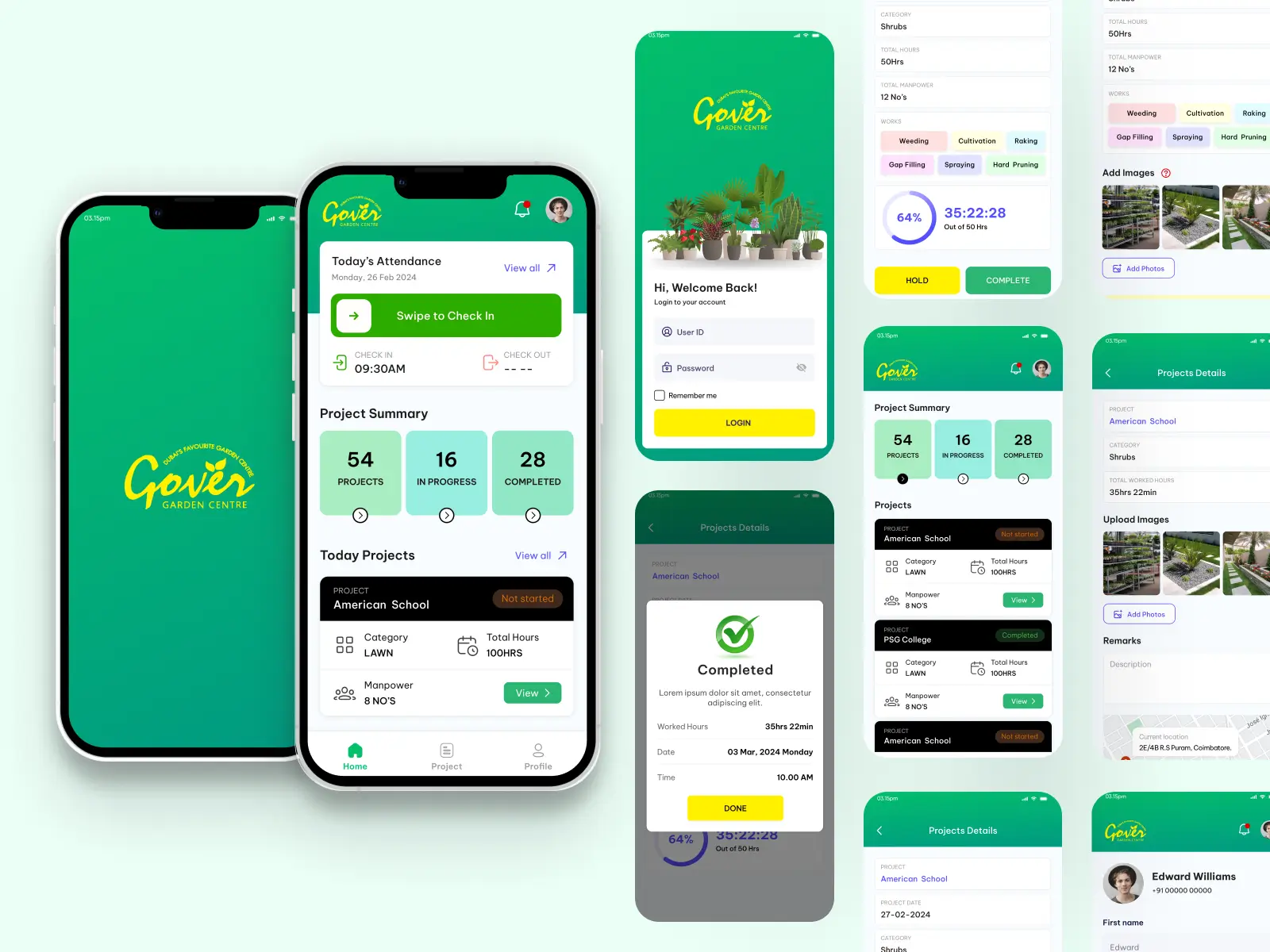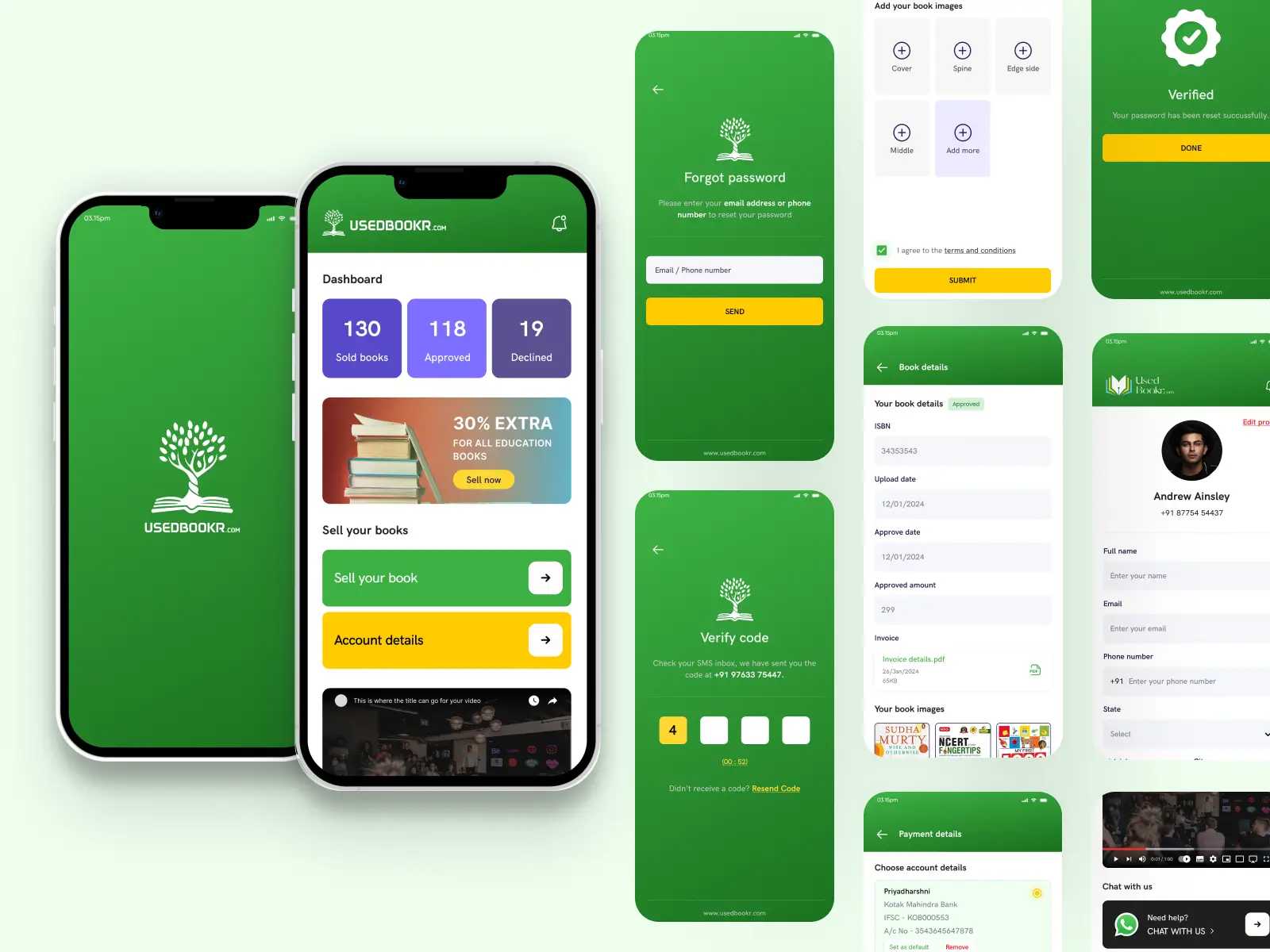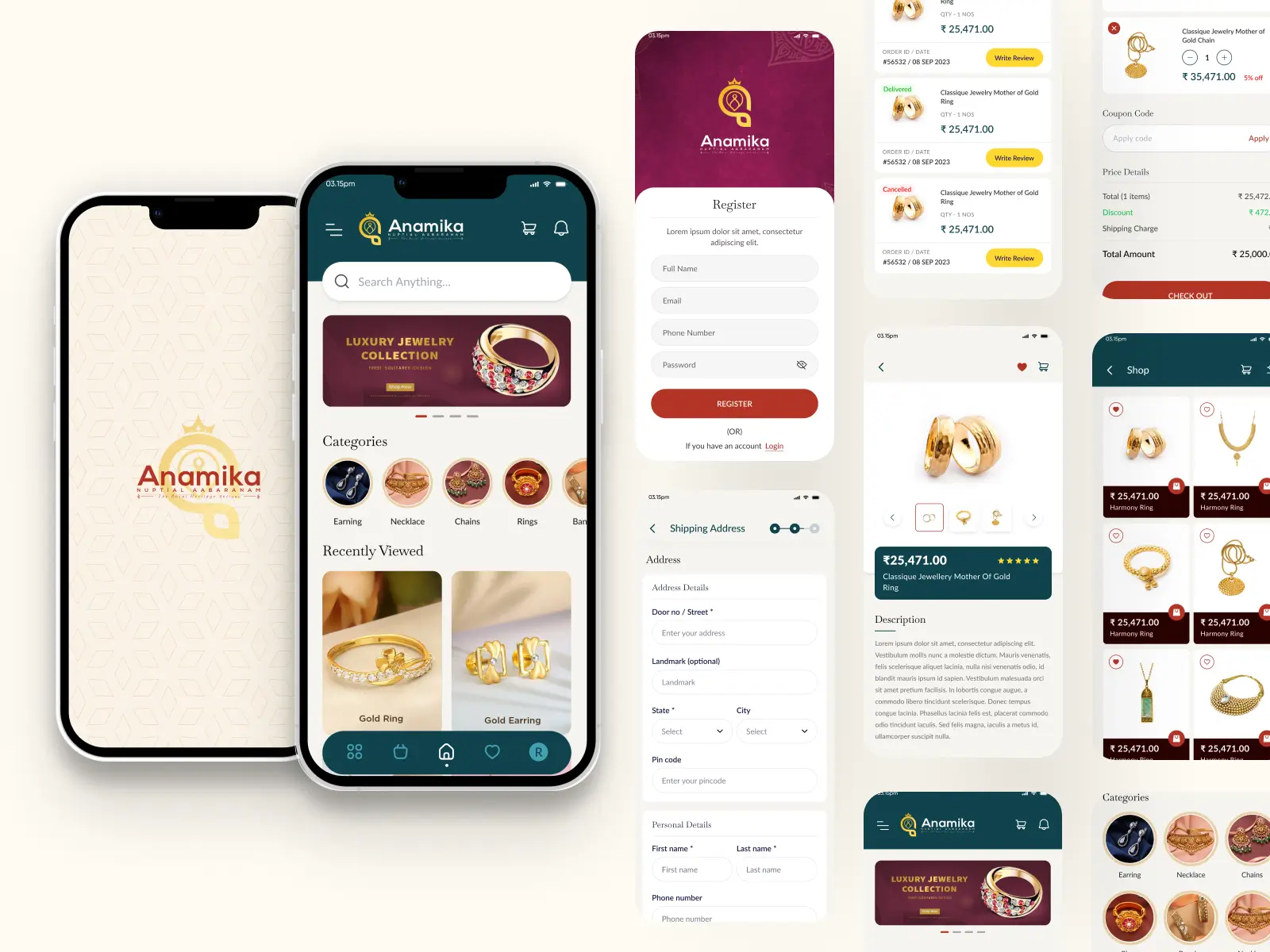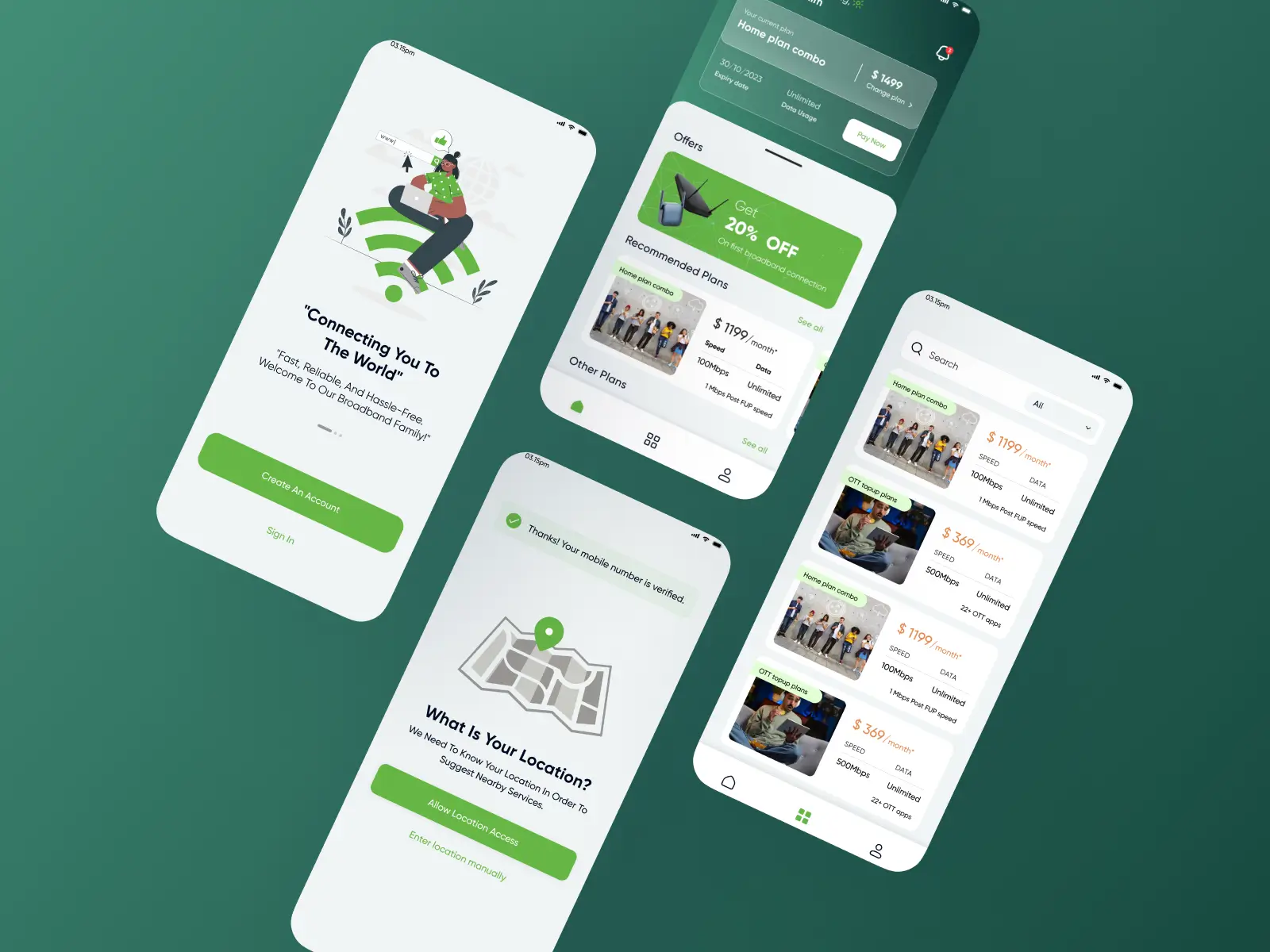
Mobile app development refers to the process of creating applications for devices that run on the Android operating system. With a market share of over 85%, Android is one of the most popular mobile platforms globally. This makes it crucial for businesses to have a strong presence on this platform
Developing an mobile app involves several stages, starting from conceptualization to design, development, testing, and deployment.
One key aspect of mobile app development is ensuring compatibility with different screen sizes and resolutions. This means designing user interfaces that are responsive and adaptable across multiple devices. Additionally, developers need to consider factors like performance optimization, security measures, and integration with other services or APIs.
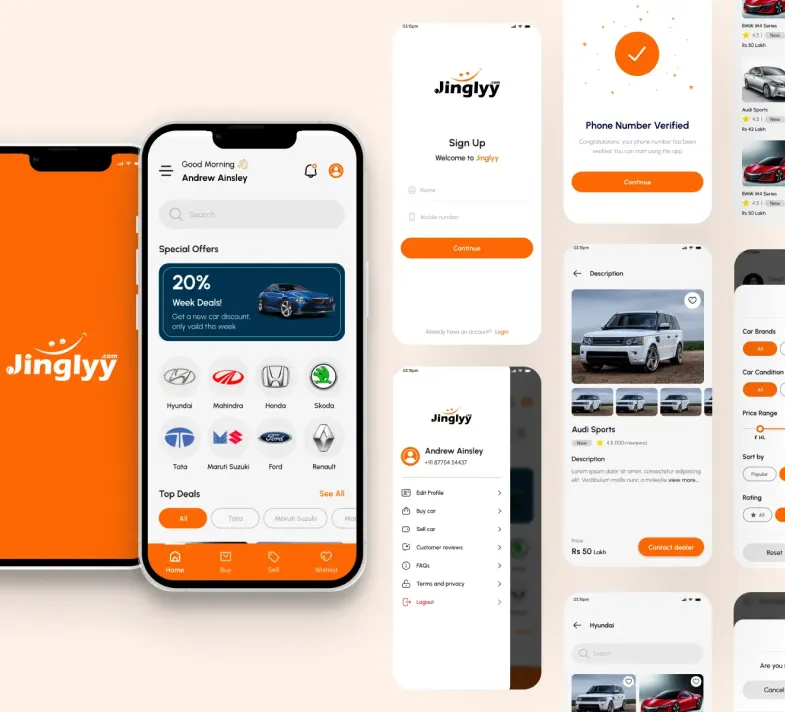
An effective design should be
- Intuitive User Interface (UI) : The design should be simple and easy to navigate, ensuring users can quickly find what they need with minimal effort. Clean layouts and clear icons enhance usability.
- Responsive and Adaptive Design : An effective mobile app must be responsive across different devices and screen sizes, ensuring a seamless experience on smartphones and tablets alike.
- Fast and Smooth Performance : The app should be optimized for speed, with minimal load times and smooth transitions, providing a frustration-free user experience that keeps users engaged.
- Consistent Branding and Visual Appeal : Consistency in colors, typography, and branding elements helps reinforce your brand identity, while a visually appealing design attracts and retains users.
Explore to Other Works